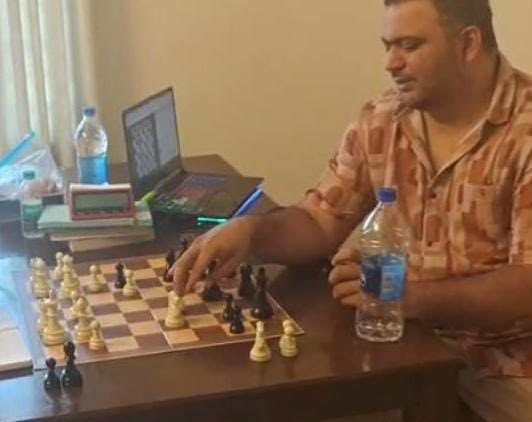
This is a blog post regarding out 10 days camp which happened in India.
How We Came Up With This Idea?
The idea for this camp was completely random.
Soham and I were watching a World Cup football match together around midnight. At the same time, we were discussing the growth of one of our students, potential tournaments, coaching plans, and what we could do differently to help him improve.
During that discussion, we suddenly came up with the idea of organizing a residential chess camp.
We immediately sent a message in the WhatsApp group with the parents and coaches and asked if they would be interested.
They immediately said yes.
After that, we started making a detailed plan for a 10 day residential camp.
This idea came very randomly and eventually turned out extremely well. Around the same time, both of us came across books like Fooled by Randomness and Same as Ever. The ideas from these books also influenced the way I think about randomness, opportunities, and trying new things.
We are also very thankful to the parents who trusted the idea and agreed to travel to India for the camp.
Things Before the Camp
This was our first 10 day residential camp where a student actually travelled from another country.
Once we finalized the camp, we decided to have a few meetings before starting.
First Meeting
The first meeting was mainly about chess training.
We discussed what topics we should teach and, more importantly, how we could make the camp fun and engaging. It is not easy for a kid to sit and study chess for 6 to 8 hours every day.
We came up with a structure of around three hours of training with Soham and three hours of training with Nikhil.
The remaining one to two hours could include puzzles, chess videos, rapid games, blitz games, discussions, and other activities.
During this meeting, we also prepared a PDF for the parents. It included all the details about the camp, inclusions, exclusions, activities, fees, and the overall structure.
Second Meeting
The second meeting was mainly about accommodation, food, basic ethics, daily routines, and finalizing all the small details before the camp.
Accommodation
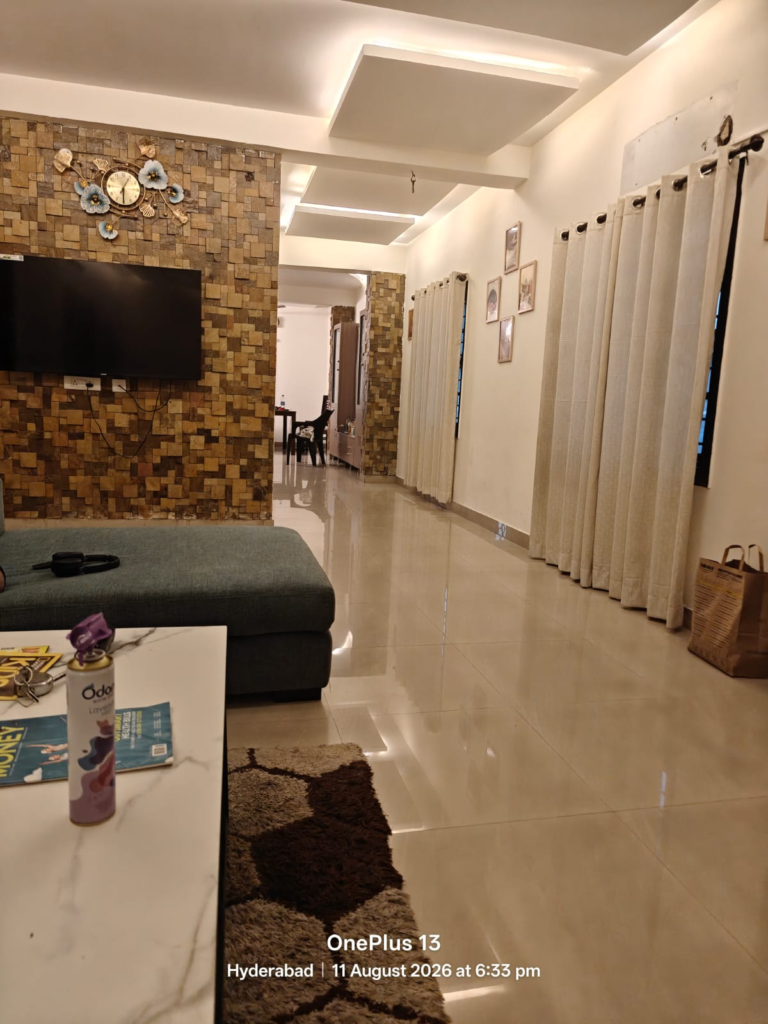
We asked the parents to book an apartment for us because it was more convenient for them to find something close to the house where they were staying.
Our requirements were simple.
We needed a big living area where we could conduct the camp, a good table with four chairs, and two bedrooms for the coaches.
They found a very nice and cozy apartment which worked perfectly for the camp.
During the Camp
A lot of good things happened during these 10 days.
The biggest advantage was that we got to understand the student much better.
When you coach someone through Zoom, you mostly see the chess part. During an offline residential camp, you can observe much more.
We could understand how he thinks, how he reacts after making mistakes, how long he can concentrate, how he approaches difficult positions, how he behaves after losing games, and many other small things.
For international students, this is even more difficult to understand because meeting them regularly at tournaments is almost impossible.
The camp gave us a much clearer picture.
Topics Covered by Coach Nikhil
Day 1: Advanced Rook Endgames
Day 2: Decision Making, Calculation, and Games Based on Puzzles
Day 3: Tournament games Analysis and Calculation
Day 4: Opening, Game Analysis, Rapid Games, and Evaluating Resources through Blindfold Training
Day 5: Finding the Right Plans in Different Positions
Day 6: Finding the Right Plans and Playing Games from Aggressive Positions
Day 7: Chess Studies and Difficult Positions
Day 8: Calculation and Attack
Day 9: How to Attack, Attacking Games, and Calculation
Day 10: Games
Apart from the main training topics, almost every day included rapid and blitz games, random chess discussions, and many interesting questions which were sometimes not directly related to the topic of the day.
Topics Covered by Coach Soham
Day 1: Dynamic Evaluation and Breaking Principles
Day 2: Best Games of Kasparov and Counterattack
Day 3: Depth and Width of Calculation, along with Memory Tests through Training Games
Day 4: Time Pressure Management through Examples and Piece Improvement with the Bishop
Day 5: Piece Improvement with Knight and Bishop, along with Handling Imbalances
Day 6: Games from the 1900 to 2400 Rating Bracket. Where weaker players go wrong, where stronger players go wrong, and common mistakes between moves 18 and 25
Day 7: Games in the particular openings, along with Technical Chess through Playing Positions
Day 8: Moves Which Make the Opponent Uncertain, Breaking Piece Circuits, and Finding Simple Wins through Calculation
Day 9: Blindfold Training, Visualization, Game Analysis, and Reconstructing Games through Memory
Day 10: Playing Games with Different Formats
Relationship Between the Coaches
Soham and I have known each other for more than 15 years, and nowadays we meet much more often.
We understand each other very well, which made organizing the camp much easier.
There was never any confusion about who should teach what or how the training should work.
At the same time, we intentionally decided not to make our teaching styles similar.
Both of us have our own approach towards chess and coaching, and we wanted to keep it that way.
I think this is actually useful for the student. Instead of hearing exactly the same ideas from two coaches, the student gets two different perspectives and different ways of thinking about chess.
Activities Outside Chess
We also wanted the camp to be more than just sitting in front of a chessboard for the entire day.
We did a few activities outside chess, and our student experienced some of them for the first time.
We went to an escape room, bowling, played pool, and played air hockey.
We also played some games together in the apartment.
These activities gave everyone a break from chess and made the overall camp much more enjoyable.
One thing we could have added was some physical fitness or sports activities. This is something we may include in future camps.
Outcomes From the Camp
We came up with a lot of important conclusions after the camp.
For me, the biggest advantage of an offline camp was understanding the student at a much deeper level.
This is something which is difficult to achieve through normal online coaching.
Throughout the camp, we tracked what we were doing, our observations, strengths, weaknesses, and things which could be improved.
After the camp, we had a meeting with the parents at a cafe.
The meeting lasted around three and a half hours.
We discussed everything we had observed during the camp and eventually came up with around 8 to 10 important points which we believe can help him to reach 2200 level strength and eventually work towards the CM and FM title.
Based on our discussions and observations, we decided on a much clearer training direction.
1. Calculation Will Be the Main Focus
Most of my future sessions with him will focus on calculation, calculative decision making, attacking chess, and finding the right plans in complex positions.
I believe calculation can become one of his biggest strengths.
2. Targeting 2200 Level Strength
I believe student has the potential to reach around 2200 level playing strength within the next year.
Obviously, rating improvement is never guaranteed, but with focused calculation work, regular tournament play, and serious analysis, I think this is a realistic target to work towards.
3. Working on Mindset
Mindset will be another important area.
We need to work on improving confidence, and helping him react better after mistakes, losses, and difficult moments during games.
Chess improvement is not only about learning more chess.
4. More Rapid and Blitz Games
We want him to play more rapid and blitz games as part of the training.
The important part is that these games should not only be played for entertainment.
Interesting games and critical moments should later be discussed and analyzed with the coaches.
5. Playing Offbeat Openings at Home
During practice games, we want him to try unusual and offbeat openings.
The purpose is not necessarily to change his tournament repertoire.
The idea is to put him into unfamiliar positions where he has to think independently instead of remembering opening moves.
6. More OTB Tournaments
If possible, we want him to play more over the board tournaments.
Tournament experience is extremely important for practical decision making, time management, handling pressure, and converting training into actual results.
7. More Game Analysis
Game analysis will continue to be one of the most important parts of the training.
Especially after tournaments, we want to identify recurring mistakes and understand whether the work we are doing in training is actually appearing in his games.
8. Keeping the Training Practical
Overall, we want the training to become even more practical.
More calculation, difficult positions, training games, analysis, attacking chess, and tournament experience.
The goal is not to simply consume more chess material.
The goal is to become a better chess player.
Future Plans
We are planning to organize more camps like this, especially for students whom we are already training through one on one classes.
This camp was a great learning experience for us as coaches, and I believe the student also benefited a lot from it.
At the same time, it was simply an awesome experience for everyone involved.
Our next idea is to organize similar camps for around 5 to 10 days.
The goal will be to work very closely with a student and provide as much value as possible through focused training, calculation, practical games, game analysis, discussions, activities, and an overall training environment which is difficult to create through normal online classes.
This first camp started from a completely random midnight discussion while watching football.
It turned out much better than we expected.
Now we want to see where this idea can go.
Photo Gallery
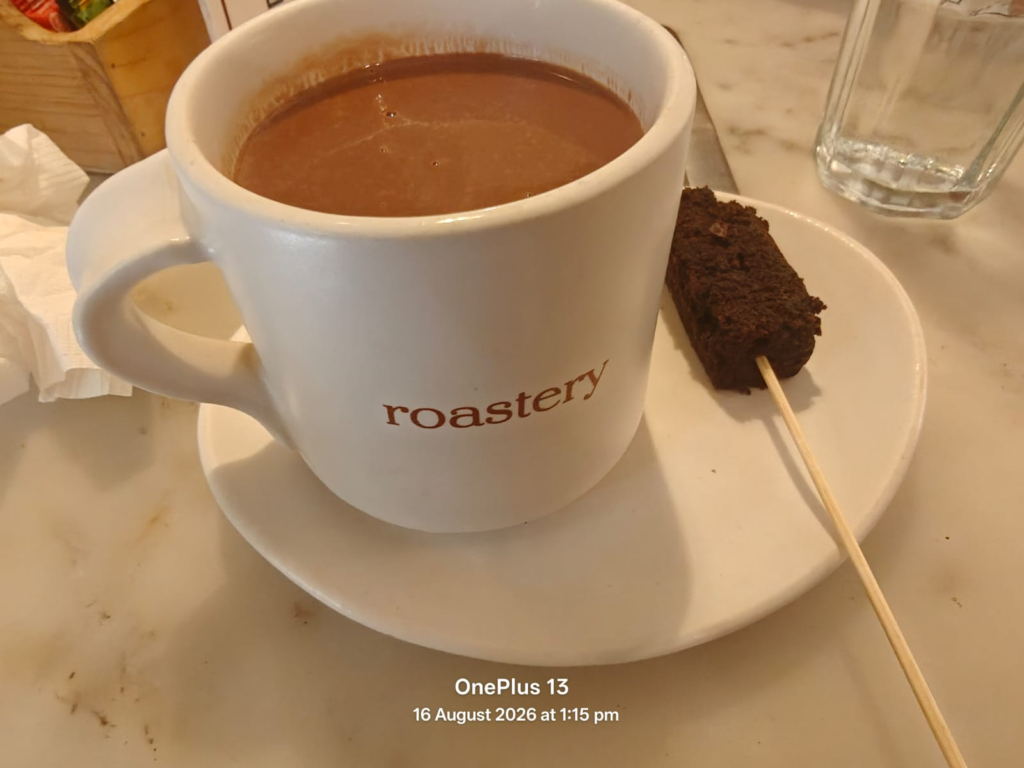
Roastary Coffee House Dark Chocolate
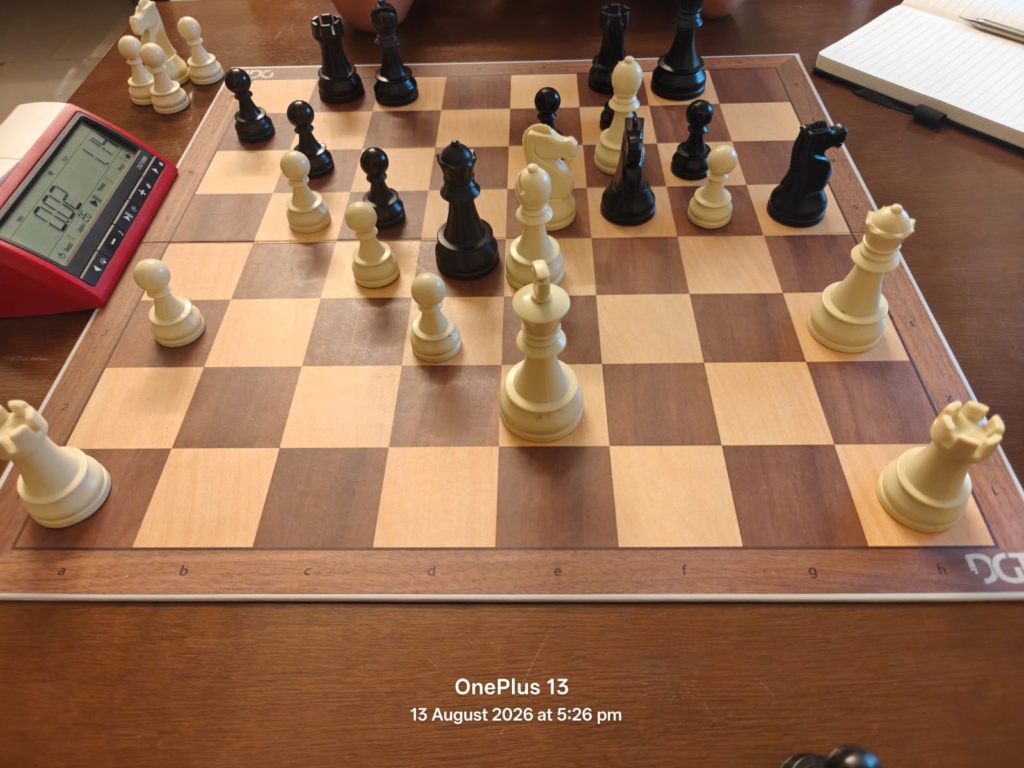
One of the most interesting positions from our games
Corn on the cob
Apartment
Coach Nikhil
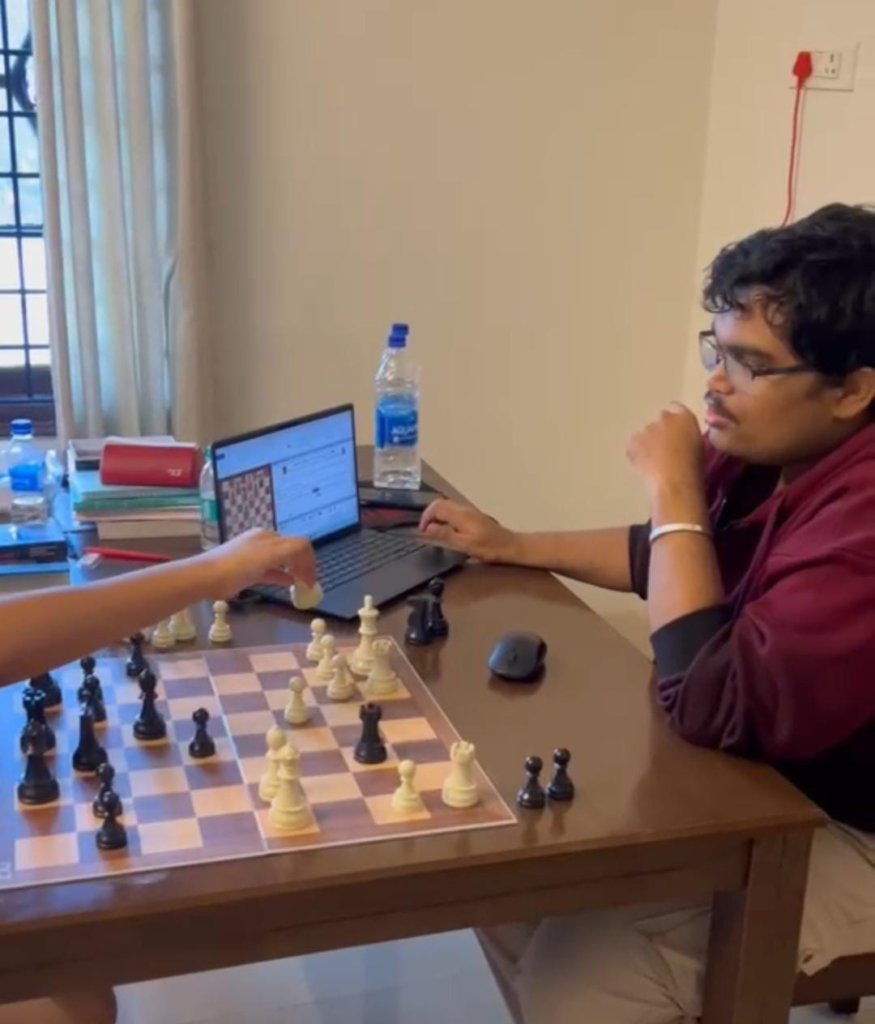
Coach Soham